Saturday, 25 March 2017

SHR - main characters 1.

SHR - Main Characters - Family, Friends and School Teachers.

Home.


Father: Robert Dorsey

! If implementing character customisation is "a thing", Father's race will be determined by main protagonist's race.

Robert is a middle age man, who took divorce with Leah - your mother - pretty hard. Working long hours as a manager in a restaurant, he spent most of your teenage years away from home, earning enough money to provide you both with stable, even if not very extravagant lifestyle.
Memories of almost picturesque evenings, spent eating whatever you cooked after school, are the first thing coming to your mind, when thinking about him.
He tried, over the decade you were alone together, to find someone new in his life, but deep inside, you knew no one could replace your mother in his life.
Each girlfriend he met was either too introvert, too posh, too much of a bookworm... the list went on, but each real or imaginary fault was really only excuse not to say "She wasn't Leah".
Your father clearly didn't move on from a relationship that ended a decade ago - and is still stuck in the motions of something long gone.

Visuals: Simple. Down to earth and utilitarian. Samey.

Highlight monologue:
I know you're not 15 anymore, but it doesn't mean we can't go to the movies together. You always liked those Shrek pictures. Okay, well, you pick something then, I don't really mind. Just non of those Lord of the Rings movies. I don't know, I think they made some sequels? Yeah, that Hobbit.
Honey, you know I don't follow the blockbusters. Just pick something. I'll be home early, leaving Kate to shut the place down. 
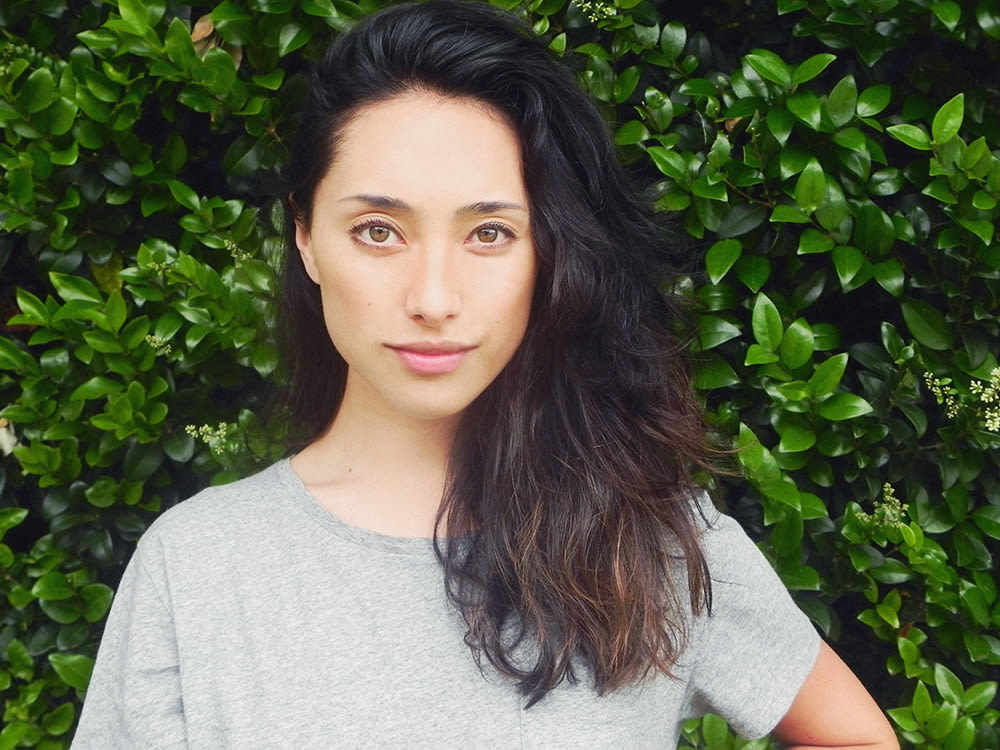

Mother: Leah Dorsey / Clarke

You were 10 when Leah left your father. You remember her as a vibrant and joyful person, terrible cook but wonderful, bright and funny. She was a painter and you remember her study being filled with half-finished works.
She was sensitive and creative person, but those traits came with a side-effect of sometimes living in her own world. She could stare at a blank canvas for hours, almost completely disconnected from reality.
After the divorce, both of your parents decided your life would be more stable, if you stayed with Robert - as he was the one with the reliable financial income, while Leah moved back to her parents in some semi-distant city.
She promised to stay in touch, and for a while she did, but then more and more often she excused herself from those meetings. With time even those stopped as Leah moved on with her life and re-married some guy named Chris.
Last thing you heard about her, was divorcing for the second time.

Visuals: Vibrant. Colourful. Artsy and somewhat posh. Very individualistic.

Highlight monologue:
Of course I did. I still do. But it was difficult. You have no idea how difficult. Can we talk about something else? I didn't called you to open old wounds. Your dad told me about your... Are you all right? Is everything fine? I know I have no right to ask, and you have no obligation to agree but if you'd like to meet again, someday?


STORY HOOK:
Getting the family back together.
Protagonist can try to get his/her parents back together. To do that however, protagonist must understand why their relationship fell apart. Robert was a safety net for Leah - he was everything she needed to become a regular housewife, abandon her dreams of artistic career and focus on the mundane needs of her family.
This regularity was something she grew to hate and started to keep Robert at a distance, subconsciously blaming him for the stability she didn't want in her life.
Robert on the other hand, grew frustrated with her wife, despite doing everything to provide to both of you, she seemed to be slipping through his fingers more and more.
Small things that used to be ignored, grew into problems that divided your parents.

For Leah, your father became a boring, unimaginative and hollow companion, who "sucked" her individuality, her talent out of her - just by being a normal person.
For Robert, your mother was a chaotic, impossible to please mate. The more he tried, the harder the relationship became.

Perhaps those two simply weren't meant for each other and couldn't be happy together - but it is for the Player to decide if trying to get those two together was a good idea.
Alternatively, we can try to help Robert establish a relationship with his co-worker - Kate.

Childhood friend - Male: Marcus Park

Marcus, or rather simply Mark, was your constant companion since childhood. Smart, goofy and completely devoted to the religion of Jedi (as he announced on his 18th birthday) kid, slowly grew up to be a young man.
Geek and gamer, Marcus used his imagination to escape from his circumstances of his family. Both of his parents could be considered pathological workaholics and their son often ended up eating dinner with you and your dad.
As you grew older, Mark remained immature and silly, sometimes embarrassing you with his childish behaviour. 

Visual: Geeky. Silly. Meme. Low brow humour and puns.

Highlight monologue:
Check this out: "If you could swap one character from Walking Dead with a character from Game of Thrones, who would that be?" I'd probably exchange Rick with Jamie Lannister. You know why? Because in the comic books, Rick actually lost his hand. And Jamie lost his in the series. It would be meta AF.


Childhood friend - Female: Samantha Booker.

You met Sammy in high school. She was the new girl in town and somehow you two became fast friends. She's not exactly the shy and withdrawn type, but she just doesn't think much of most her peers - making her appear as someone socially awkward.
Nothing could be further from the truth.
She is charismatic, individualistic and expressive, she just picks her friends very carefully.
She only accepted Mark as part of her "circle", once she figured out, she can use him to run small errands.
Bitchy exterior, hides a warm, easy to harm person - and despite her "don't give a damn" appearance, she never let you, or even Mark down.

Visual: Uptight. Intellectual and sarcastic. Individualistic style of outfits - something between a classic tomboy and a proper lady.

Highlight monologue:
You think I should wear a skanky dress or the pink skirt with the top saying "I wish I was dead"?
No, I'm kidding. Sure I'll go with you to the stupid party. Can't let my one and only friend end up being part of the "kool kids", it would look really bad - I'll be there to keep you away from the actual fun. What, Mark? Mark is not my friend, he's something between a butler and a scapegoat. No, you can't have my banana. It is mine!

School - Teachers.


Dorothy "Silver Shadow" Maxwell.

Former superheroine to gave away her powers while protecting the planet from some asteroid or shit. A living, yet burned out, legend she is an inspiration and tutor of the upcoming heroes. No-nonsense, yet nostalgic, proud of her students, but envying them their powers, Dorothy walks the fine line between depression and self-loathing.

Visual: Toned down, professional, stylish yet melancholic. Businesswoman.

Highlight monologue:
If I had to, I'd do it again. But does it mean I can't be allowed to feel sorry for myself?
Mourn something I gave away for all people who don't even care? I tried to live a normal life, but there is nothing normal about who I was. How would you feel if you lost your hands, or eyes? Would you just live a "normal life"? For me my powers were normal. I grew up with them, I relied on them, I used them just like you use your limbs or senses. 
So don't tell me I can live a normal life, because you can't even comprehend what I lost.


(actor Edward James Olmos)
Richter

Owner of the school and source of money behind it. Everyone know him as a former concentration-camp survivor during WW2. He spent two years there, for opposing Nazi regime. After the war, as a 20 y.o. man he came to States and quickly climbed the social ladder, using his discipline and strength of character to gather a fortune.
In reality, Richter wasn't a prisoner in a concentration camp. He was a guard. During the confusion accompanying liberation of the camp by the Allies, he was mistaken for a prisoner.

Visual: Calm. Organised. 1950s inspired. Mysterious.

Highlight monologue:
We were all victims. But our tragedies were different. They couldn't do anything to help themselves. We chose not to do anything to help them.
Do you think we were all monsters? All bloodthirsty Nazi dogs? We were kids, indoctrinated enough to hold a gun. And use it.


Duncan "Wildeye" Duwall

If Dorothy plays the role of a strict mother, Duncan is the chilled uncle. He is upbeat, casual, optimistic and helpful, sometimes taking the "fun" part too far, but always well meaning. Duncan on the surface is just the "good guy", and the better you know him, the more "good guy" he seems. There is no dark secret to his character, besides his rough upbringing in the ghetto, which he is not hiding from anyone.
His family however is a different matter entirely. Duncan comes from a pathological family, typical for the high-crime, low-income neighbourhoods. Alcohol, drugs, gangs, you name it.
Duncan escaped all of that when his superpowers started to manifest.
He went beyond and above to free himself from the past - however his family still remains in the ghetto. Duncan tried to help them, but it seems his folks are unable to follow his footsteps out of the gutters.
Biggest strain on his relationship with family is focused on Jimmy, Duncan's younger brother.
Duncan is well spoken, unless agitated - only then you can hear his original accent cropping up.

Visual: Casual. Outgoing. Easy to reach and warm personality.

Highlight monologue:
You know why? You really want to know why? It had nothing to do with the talent. It had nothing to do with someone helping me. It had nothing to do with mamma. It was me! All me, you hear that? I wanted to leave the hood and I would even without those damn powers.
You remembah dad? How he were wenn we were litta? I promised myself Ahh neva' end uhp like him. An Ah kept mah word.


Richard "Eagle Man" Smith

Imagine a superhero from the 60s, Back when all villains wore black and all the heroes wore spandex. All lines were cheesy. No one would stay dead for more than three issues and evil scientists would explain their plans to conquer the world and laugh hysterically along the way.
That is the world of Richard Smith - the all-American old school superhero, connecting the Silver Age of Comic books with the modern gritty reality.
A living legend, Eagle Man is the example of a hero who outlived his generation... and then some.
A little lost in the modern reality, longing for the "good old days", struggling with his own age, that doesn't respect any superpower.
Richard is a decent person, but he sees the world in black and white. You're either good or bad. Smart or stupid. Strong or weak. And if you're weak, you have to overcome that one thing that holds you back, so you can be strong. What's the problem?

Visual: Tough. Old School American Stars and Stripes. Grizzled. No-nonsense.

Highlight monologue:
Of course I'm here, where else would I be?... What?... I don't know and don't give a damn what the problem is... What do you mean we can't? When he was pissing in his diaper I did that every goddamn time and nobody even looked at me sideways... No... No... Listen young man. You can tell the President, that I respect him, but this Great Nation didn't came to be a Great Nation because of people saying "We Can't".

Friday, 10 March 2017

Life is Strange

"Life is what happens, when you're busy making other plans", Lenon's quote Mr. Jefferson said on that fateful day stuck with me for some reason. It was a naive counterpoint to events of the week that never happened. Week that nobody but me remembers.


What plans can you make, if your destiny is written into the tapestry of reality? How can life just happen, if your existence can be punctuated by a bullet, turning it into a scarlet mosaic on a bathroom floor?
It's been a week since...
A week which echoed with deja vu and dreams that mimicked it's supernatural, time-travelling cousin that never happened.
It's been a week since I curled up on the floor, waiting for the gunshot that fixed everything. Everything but me.

There is this scene in Star Trek II: The Wrath of Khan, where Spock sacrifices himself saying "needs of the many, outweigh the needs of the few." Was that what I did? What Chloe did?
Shit, spending last week binge-watching Warren's sci-fi collection messed with my brain just as much as my personal Doctor Who adventure.

"Max, are you all right?" a gentle touch on my shoulder summoned my mind back to reality.
"Yes." I said automatically without thinking.
Kate's worried face seemed painfully familiar as she gave me a searching look. Smell of the teas she brought with her filled my nose, an unfamiliar, deep blend of something I couldn't even try to pronounce. Normally I would stick to more familiar tastes, but we were, after all, in the heart of Portland's China Town, so when in Rome...
Kate promised me a trip around all the tea shops in the city, and despite my mood, I agreed to join her.
Or maybe it was the "other" Kate, the one that almost killed herself? Or was it me who proposed it?
I don't even remember anymore.

Tao of Tea was a very traditional Chinese tearoom, with furniture, teapots, even the building imitating Asian style. There were hardly any guests at this time of day, it was just past the lunchtime. If I tried, I could imagine actually being a thousand years in the past, a thousand miles away from Oregon, but my imagination cling to what was real and now.
"Maybe this wasn't such a good idea" Kate said gasping "It was silly to think I could cheer you up with a cup of tea."
"Oh, no no..." I protested quickly "I'm sorry. I was just... thinking. I'm here now. 100%. Promise."
That forced admission seemed to scoop sadness from her worried face, but not from her eyes.

"That's all right Max" Kate said after a moment "You don't have to pretend."
"I'm not. I just..." I paused, how could I explain events of the last week I lived twice "I just need to sort things out. And being here with you is great. I'm just being stupid wasting it on overthinking."
That actually made her smile ever so slightly.
"I believe that your friend is in a better place now." she said after taking a sip of the tea. White cup looked tiny even in her gentle hand.
"I want to believe that too" I agreed. Chloe deserved to be somewhere blissful, wherever it may be.

"I can't imagine what you're going through" she added, encouraged by my admission "But maybe knowing she's at peace now could help you. It helped me when my grandma passed away."
A trail of a nostalgic smile passed through her lips.
"Were the two of you close?" I asked. I was curious, of course, but I also felt better focusing on something else than the mess in my head.
"Not that much" she admitted "She died when I was seven. But my dad tells me with each year, I look more like her." she paused and a playful sparks lit her eyes "I even have the same hairstyle."
I could imagine Kate's grandma rocking that bun back in the 50s, but today it looked dangerously archaic. But I wasn't the one to judge fashion, I was stuck in the 90s myself.

"She must have been a very pretty girl when she was your age" I said with a smile... but without thinking.
"Thank you" Kate seemed surprised and slightly embarrassed.
Stupid Max!
"I mean..." I decided to dig a deeper hole under myself "I really respect that you don't follow trends. I mean... uh..." I paused with a helpless expression on my face, wondering if I said anything more, my hole would actually be deep enough to reach China.

"I know what you mean" Kate giggled softly "I couldn't even keep up with modern fashion. Each year different colours, styles and fabrics. My drawers would overflow after two years.
"What do you think Victoria does to her old clothes? It's not like her room is any bigger than ours" I asked casually, taking a sip of my own tea. 

It had earthy, slightly bitter taste. Very rich with a hint of imbir among dozen other flavours I couldn't recognise.
"Maybe she give them away?" Kate proposed "Like to a charity?"
"I don't know. Maybe?" I shrugged and the tea almost came out of my nose as I laughed "Can you imagine homeless people wearing last year's Versaches and Pradas?"
"Well, it is last year's collection after all." Kate said with pretended seriousness and giggled with me.

I forgot.
It was so easy to forget.
The very same Victoria we were joking about now, was a source of vicious rumours about Kate just last week. But since then so much happened, her "hot pixxx" became a tale of the past. Blackwell Academy experienced an earthquake when Nathan was arrested, but then when he spilled the beans about Jefferson, whole Arcadia Bay became a center of a biblical cataclysm. Who would remember about some silly party?
Kate - I answered my own question.
Those rumours about her, pictures of her kissing random guys... she almost killed herself because of that. Everyone else probably forgot about the whole thing by now, but I knew Kate remembered.

And yet, it was her idea to come to Portland. To cheer me up. To accommodate my shitty mood.
Fuck, where does she find the strength to not just carry on, but take care of me?

Maybe in this timeline she's the one who would save me - this single thought run shivers down my spine.

My phone beeped and I reached out to my pocket without a second thought.

"HEY MAX! How is Portland? Make sure 2 take a detour 2 Lovecraft Bar. It's on 421 SE Grand Avenue. It's uber easy to miss. Look for black door. THE OLD ONES ARE WATCHING!" 

"It's Warren" I said putting the phone away "He's being his wacky self."
"Some things don't change" Kate smiled, and added more seriously "I think he really likes you."
Now it was me being uncomfortable, as I shifted on the Chinese-wannabe chair.
"Yeah. I know." I said looking into bottomless depth of my teacup.
"Oh. Sorry." Kate picked up on my body language instantly.
"No, that's fine. I just-- I can't deal with it now." I said truthfully. I needed some peaceful R&R now. Not being dragged to some B-movie marathon about apes. Or visiting Lovecraft's Ground Zero. My life was strange enough as it was.

"I think you're lucky to have someone like that." she said with hearth-wrenching longing in her voice.
"Yeah." I smiled "The novelty goes away after about 8 seasons of Stargate:SG-1."
I was hoping for a silly joke to lead conversation away from the touchy topic, but Kate didn't took the bait.
"You know what I mean." she said "I wish I had someone like that. Someone who would love me. Someone who would come to my rescue no matter what."

I did - I wanted to yell out loud - I did! I went to the rooftop to save you..!
Instead I said quietly:
"You have me."
Fuuuck.
"As.. as a friend. You know?"
If I blinked, I'd miss the sudden shadow of disappointment in Kate's eyes.
"As a friend" she repeated "I know."
I opened my mouth to say something, but I closed them without making a sound.
What was that?
I took a long sip of tea, waiting for my brain to stop spinning inside of my skull.
Deep breath.
The silence from casual, quickly escalated to awkward. Then, in a time shorter than a heartbeat, a very loud heartbeat I may add, it went from awkward to impossible to bare.
Oh shit.
Kate?
But?
How could I be so---?
"I'm sorry." Kate said, once again, repeating the mantra as it was a spell that would wish away her suddenly rosy cheeks.
"No." I protested with a strength that surprised even me "Don't be."
I wasn't sure what else to say. Depending on my clumsy mouth wasn't the best idea anyway.
Instead I just reached out to her hand on the table and squeezed it softly, feeling her ice-cold fingers intertwine with my own.
This is life, happening when I'm making other plans...


Monday, 6 March 2017

DA2

Dragon Age 2 would be a better game, if it came out as a "visual novel", than a fully fledged RPG.

That is the shortest and most accurate review of the game. 

Political intrigue, dodging chainsaws of both Templar zealotry and Circle's corruption would be much more enjoyable, if it wasn't served on the same plate as below average and frustrating combat system.
Don't get me wrong, switching from the "old school" style (calling it Dragon Age Origins style, belittles the glorious history of this type of combat style in RPGs) gave game a lot more dynamic feeling, allowing for more spectacular and involving combat. But it also invited all the problems the game suffered in switching from a tactical RPG to an action RPG. 
As a result the game was trapped in between, neither really action-oriented, neither suited for deep tactical combat.

More challenging difficulty settings only highlighted the game inability to pick a side - as the action-oriented fighting often stood in the way of very careful tactical planning. Prime example of this duality was the "Wave" mechanic. With more enemies joining the fight as it progresses. This would feel perfect in a action game, where hordes of enemies are an excuse to preform long combos and spectacular AoE, perfectly playing into a typical power fantasy we often crave in our games.
And yet with growing difficulty, the "trash mobs" grew only to frustrate and annoy, with waves of enemies appearing out of nowhere, sometimes right behind the player's healer.

Dealing with wave mechanic instead of challenging and fun, became tiresome, as the first "try" on every substantial group of enemies involved finding out where and when the next wave will come from, and constantly promoted "deep pull", forcing the fight away from it's place of origin. 

With few exceptions, each fight consisted of same types of enemies, dressed in a different texture. For example Coterie Assassin and Templar Hunter shared exactly the same abilities, that were also shared by a bunch of other, differently named enemies in the game - turning most fights into exact copies of each other, focused on following same "takedown" order. 

By the middle of Act 2, the fun and challenge was replaced by running through the routine of retreats, bottlenecks and crowd control queue, bringing to mind the worst part of World of Warcraft raiding history involving over-saturation of trash mobs (I look at you, AQ40...).

Even during boss fights (except the first dragon slain in Bone Pit) game developers decided to "spice" the fight with trash enemies, joining the fight at preset health levels of the boss, leading to comical "run around" tactic, avoiding both doing and taking damage, waiting for powerful skills to go off-cooldown before triggering another trash group. 

Various small, frustrating and fun defying problems brought to a PC gamer memories of poorly executed console ports of action games, trying to wear a gown of more "adult" RPG titles of previous generations.

The game came through however, on an opposite of what we expect from action RPGs - the story and personality.

Left on the other side of the Waking Sea were the world-saving heroics and over-the-top personalities. Arriving to Kirkwall the player is thrown into trenches of a conflict without well defined divide between right and wrong. There is no overbearing threat of Blight hanging over the city and without the greater "evil" there's also no greater "good". 
We're slowly introduced to the conflicts of the city, which at first, seems distant as we're too busy collecting money to found an expedition into Deep Roads.

At the end of the day however, the game revolves around Kirkwall, and even by the very end of it, the scope of your actions rarely goes beyond the city (until the epilogue). It is a step down from the well established world saving business games got us used to, as the stakes just don't feel as great. But this was an intentional design, that held the game to more basic, human values.

The game leads us through more subtle, less colourful world, which at points, is just boring - relying on player's emotional investment in the story and characters. Story's biggest weakness is Act 1, which overstays it's welcome without much meaningful story to tell. The best time to introduce our companions and make us "care" for them, is wasted running around the city, performing errands for NPCs we forget about, the moment we turn in their quest.
I don't know if it's an intentional self-awareness or just cliche stereotype repeated due to lack of imagination, but when NPCs we helped before get in touch with us, they often start with "I don't know if you remember me".
To which I expressed a very honest reply "I really fucking don't!"

Beyond this issue, the game does it's best to lead a good, three act story, without greater hiccups.
Our companions, with few exceptions, are much less colourful, and much more three dimensional than their counterparts in Dragon Age Origins. 

First game was comfortable picking up a stereotype and heroes and running with it:
  • Obnoxious dwarf with a golden heart.
  • Silent tough guy who cares, but acts like he doesn't.
  • Judgemental wise sage, who still makes mistakes, 
  • Femme fatale who ends up hurting herself, as much as those around her.
  • Low self-esteem clown who grows to be a leader 
  • A spy who wants to get out of her dirty past, and turn towards the light.
Throw in a copy of HK-47 and a smartass assassin with a troubled past and you're ready to go.
Those heroes fit perfectly setting or Origins, where this band of unlikely companions work together to oppose the Blight.  

Dragon Age 2 goes for more realistic and less over-the-top heroes. Their personalities are watered down by internal conflicts and struggles. Surprisingly, the least relatable characters are the ones who are most stereotypical - Former slave with vengeance written all over his storyline, an apostate "rebel for life" and a sexually liberated smuggler. Most of player's companions follow their own goals over the course of the game, choices that sooner or later may intertwine with the main storyline of the game in some surprising fashion.

DA2 goes for more personal and down to earth experience, perfectly exemplified by Aveline's companion quest in Act 2, where we try to help her express her feelings to another NPC. A comedy of mistakes and awkward silences is more entertaining than you'd expect, and end result, if successful, brings a smile to your face.


Biggest innovation Dragon Age 2 brought to RPG universe is the timeline. Most RPG games remain oblivious to the passage of time. Game takes us from from Prologue in year 0, through Act 1 one year after that, Act 2 three years later, and Act 3 another three years after that. This distinct time window gives player a unique chance to see the effects of their actions in a long term perspective...

But is also another wasted asset, as the city of Kirkwall and their inhabitants don't change over the course of the storyline. Over the years, city itself looks exactly the same, characters you meet look exactly the same and even their outfits (outside of romance options) don't go through much alteration over the period of almost a decade.

Small, yet vital part that requires a strong suspension of disbelief, that in the world shaped by your actions, nothing really changes. Especially lack of customisation of your companions sting throughout the game. You can find upgrades to their specific armours across the game, but those don't change the appearance of your friends, only boost their stats.

Overall, Dragon Age 2 is a game that was heavily plagued by a hybrid playstyle, without enough development time to make it work and even less to polish it.

The game was clearly put together in a hastily manner and it shows in almost every aspect of the game, except storyline, which was probably drafted out long before the actual development of the game began.
Reuse of assets and locations becomes obvious the more you play, and while it would be excused if the game was coming from a small developer with very limited resources, it shouldn't be the case when talking about BioWare.

Stepping very closely, in the shadow of Dragon Age Origins, Dragon Age 2 is a very different game, desperately trying to tell not only a different story, but a different type of story. 
Falling short due to being underdeveloped and rushed.

Final Recommendation:
It's a game to be enjoyed slowly, and not for the depth fighting mechanic. Especially on harder difficulties, where frustration of fighting the system is as annoying as fighting the same trash mobs over and over again.

Enjoying the story and the characters is much more rewarding than anything else in this game.
The grey area of choices and good set of supportive characters makes it a joy to experience.
But besides that, the game should go back to development for at least another year.

989 saves.
38 hours of clocked gametime (add about 10 hours of struggling with bosses and loading earlier saves to level up different skills)
Nightmare difficulty.
Supporting Mages at the end.
Romancing Merrill.
Losing no companions in Act 2 or 3 - as they all were maxed out on the Friend side.

Wednesday, 11 May 2016

For Zofia

Masaż Sportowy:

Masaż treningowy:

Wykonywanie:
  • Wykonywany w całym okresie cyklu treningowego.
  • Czas trwania: 40-60 minut (przy dużej masie mięśniowej +60 minut)
  • Wykonywać 1,5-6 godzin po treningu
  • Masaż powinien być głęboki, intensywny, miękki i rytmiczny.
  • Masaż skupiony na grupach mięśni obciążonych w treningu.
  • Dominuje ugniatanie: do 70%
  • Jest to masaż częściowy lecz 2-3 razy w tygodniu może być zastąpiony masażem całkowitym!
  • Ostatni masaż na 2 dni przed zawodami.

Cele:
  • Rozwijanie zdolności sportowca do pracy
  • Zwiększanie możliwości czynnościowych 
  • Regulacja mechanizmów centralnego układu nerwowego
  • Nie odbyty trening można zastąpić mocniejszym niż zwykle masażem.

Masaż przed zawodami:

Wykonywanie:
  • Dzień po ostatnim masażu treningowym
  • Obejmuje całe ciało.
  • Intensywność zależna od sportu i stanu psychicznego sportowca.

Cele:
  • Umożliwienie zawodnikowi osiągnięcie możliwie najlepszej gotowości psychofizycznej do startu w zawodach.
  • Wzmocnienie spokoju zawodnika 


Masaż startowy:

Wykonywanie:
  • Poprzedza rozgrzewkę którą wykonuje się natychmiast po masażu (3-4 minuty)
  • Czas masażu zleży od grupy masowanych mięśni, nie powinien jednak przekraczać 10 min na jedną cześć ciała.
  • Ważnym elementem jest masaż miejsc przyczepów ścięgien do mięśni.
  • Intensywność masażu zależna od typu spotu: Długotrwały wysiłek np. maraton (masaż dłuższy i delikatniejszy), krótkotrwały wysiłek np. skok w dal, sprint (masaż krótki i bardziej intensywny)
  • Oszczędzanie grup mięśniowych najbardziej obciążonych w czasie zawodów - masuje się je krótko, ale bardzo dokładnie z uwagą na okolice okołostawowe. 
  • Główne techniki: Głaskanie, Rozcieranie, Ugniatanie.

Cele:
  • Szybkie i głębokie rozgrzanie mięśni i aparatu więzadłowo-stawowego: więzadła zachowują elastyczność a mięśnie zwiększają zdolność skurczową.
  • Oddziaływanie na stan psychiczny sportowca:
  •   Apatia przedstartowa: Masaż pobudzający, energiczny i szybki  (rozcieranie, ugniatanie i oklepywania) w okolicy: Dolna część grzbietu, klatka piersiowa, przestrzenie międzyżebrowe
  •   Gorączka przedstartowa: Masaż sedatywny, spokojny (głaskania, powierzchowne ugniatania, wibracja) w okolicy: kark, obręcz barkowa, klatka piersiowa, przestrzenie międzyżebrowe.

Masaż powysiłkowy:

Wykonywanie:
W zależności od natężenia wysiłku masaż wykonujemy
  •   10-30 minut po zawodach (przy lekkim obciążeniu), wówczas zabieg powinien trwać 8-12 minut.
  •   1-2 godziny po zawodach (przy dużym obciążeniu), wówczas zabieg trwa 15-20 minut.

  • 70% czasu masażu spędzonych na grzbiecie, karku z barkami i grupach mięśni które były najmniej obciążone w trakcie zawodów - głębokie rozcieranie i ugniatanie, szybkie oklepywanie i silna wibracja przyrządowa.
  • 30% czasu masażu na grupach mięśni najbardziej obciążonych w czasie zawodów. Dominacja technik rozluźniających - głaskanie, delikatne, powolne rozcieranie, powierzchowne ugniatania, wibracja i wyciskanie.
  • Można zastąpić drenażem limfatycznym.

Wykonywanie u zawodników po bardzo dużych obciążeniach (maratończyk, chodziarz):
Masaż resuscytacyjny wykonywany 3 razy dziennie:
  1. 20-30 minut po zawodach. Łagodny masaż regeneracyjny nastawiony na obniżenie procesów pobudzenia. Wykonywany miękko i rytmicznie z uwzględnieniem klatki piersiowej. Czas masażu 10-15 min. Po jego wykonaniu zawodnik powinien przez pól godziny biernie odpoczywać.
  2. 2-3 godziny po zakończeniu biernego odpoczynku. Trwający 20 minut.
  3. Co najmniej 5 godzin po wysiłku, lub, jeśli zawody skończyły się zbyt późno, następnego dnia rano. Jest to masaż całkowity, wykonywany powoli, głęboko o niskim natężeniu bodźca (bez oklepywań). Ma trwać 40-60 minut

Cele:
  • Przywrócenie organizmu po dużym wysiłku do stanu prawidłowego.
  • Masaż regeneracyjny jest 2-3 razy bardziej efektywny niż bierny odpoczynek.

Masaż podtrzymujący:

Wykonywanie:
  • W trakcie przerwy w treningach kiedy wysiłek jest znacznie zredukowany.
  • Masaż całkowity, wykonywany co drugi dzień.
  • Jeżeli masaż wykonywany jest przed południem powinien być spokojny i łagodny w powolnym tempie
  • Masaż wieczorny może być dłuższy i bardziej intensywny.
  • Połączyć z innymi zabiegami fizykoterapeutycznymi.

Cele:
  • Utrzymanie organizmu sportowca w sprawności fizycznej.
  • Aktywizacja układów: ruchowego, krążenia i nerwowego.

Tuesday, 15 December 2015

IWDEE classes

Icewind Dale: Enhanced Edition

WORD OF EXPLANATION:
Most classes have "subclasses" to them. Those subclasses retain core abilities of the main class, but add and remove some skills to tailor character to player's liking.
Each character can remain "Pure" class, without choosing a subclass. In some cases, pure class is more versatile than the subclass specialization. Clerics are encouraged to subclass as they don't lose anything and gain few small abilities that are signature to their god (god of thunders give his clerics ability to hurl lightnings).

Only one class choice can be made for the character - Ranger who subclasses into Archer, cannot also specialize into Beast Master, nor can he level up as a regular Ranger.


Classes.

Barbarian 


Barbarians - as the name suggests - are melee warriors who, unlike knightly warriors and paladins, take their prowess in combat from rage. When enraged, barbarians are immune to most debuffs and they gain more health points and Strength. Rage-driven barbarians are deadly foes, however in their bloodlust they forgoes the need of defending themself, making them an easy target for those brave enough to attack them
Once Barbarian's rage is spent, he becomes exhausted for some time and his battle-effectiveness is lowered. 

Barbarians don't wear heavy armours, they make up for it with their great condition, but in long battles they might not be able to hold the line as long as his better-protected counterparts.

Bard


Bards are more than just adventurous musicians - their wide range of skills makes them useful addition to any group. They can hold their own in hand-to-hand combat. They can cast spells. They can open locks and their knowledge of legends and artefacts is unmatched. However their versatility, makes bards less capable in each task than a dedicated specialist - like a fighter, wizard or thief.
Bards bring a unique skill to the field however - their music - used to buff companion skills.

Bards don't wear heavy armours and are restricted to simple martial weapons. Their primary role is support, which they can abandon for more pro-active role if given situation requires it.

Subclass: Bard - Blade.


Blades give up on most of their singing skills and focus on their combat abilities - becoming a sword dancers, capable of short, but overpowered skills turning them into meat grinders.

Subclass Bard - Jester

Instead of buffing their own allies, Jester's skills are used to mock and enthral enemies, turning him from a supporting class, into a crowd controller. 

Subclass Bard - Skald

Storytellers of the barbaric clans, Skalds lack finesse of their more civilized counterparts, but their skills are focused on not only being a better all-round fighter (not relying on short-lasting "dances" of a Blade), but also buffing with his heroic songs those who fight next to him.


Cleric


Clerics are battle-priests capable of casting powerful healing, defensive and crowd-controlling spells, while still retaining ability to fight in the front line. Clerics can wear the heaviest of armours, making them resilient foes, however they lack damage-dealing abilities of other heavy-armoured fighters. Clerics serving their deities receive different bonuses and special spells iconic for the god they serve.

Cleric subclasses:
Priest of Talos (choatic-evil god) - Summoning Lightning
Priest of Helm (lawful neutral god) - Seeing through Illusions
Priest of Lathander (neutral good god) - Strong combat self-buff
Priest of Tyr (lawful good god) - Remove debuffs from allies, combat self-buff
Priest of Tempus (true neutral god) - combat self-buff and combat group buff.

Druid

Just like Clerics serve Gods, Druids serve Nature. Attuned to the voices of animals, plants and even elements themselves, Druids - just like Clerics - are masters of healing, defensive and crowd controlling spells. They are slightly better healers than Clerics, but don't wear heavy armours and aren't as capable in hand-to-hand combat unless they shape-shift into a powerful animals - while transformed however, they lose ability to cast spells. 

Subclass Druid - Totemic druid


Totemic druids create a link between themselves and their spirit animal and can summon it to fight for the druid. As a trade-off, totemic druids cannot shapeshift into other forms.

Subclass: Druid - Shapeshifter.


Shapeshifters become masters of changing form, gaining access to transformations more powerful than regular druids, however, due to nature of their specialization Shapeshifters cannot wear any armour - making their humanoid form very fragile.


Subclass: Druid - Avenger


Avengers aren't just defenders of Nature, they are actively fighting with those who harmed the balance. To aid them, Nature grand her powerful lightning-based spells. However, due to using electric-based spells, Avengers cannot wear any metallic armours and suffer penalties to Strength and Constitution. 

Fighter


Fighters are warriors of all walks of life - knights, mercenaries, soldiers and freedom fighters, but they are all united in the dedication to their skills of wielding weapons with unmatched finesse.
Fighters are typically front-line warriors, however some can specialize in using powerful crossbows or bows. Their heavy armour and high Condition makes them some of the toughest classes out there. Their only weakness is lack of defence against spells - while facing wizards, fighters must close the distance and interrupt spellcasting, otherwise they are in mortal danger.

Subclass: Warrior - Berserker


Berserkers - just like Barbarians depend on rage to aid them in combat. However Berserker never ignores his training, even while in combat. It makes him more deadly than a Barbarian, but also doesn't grant as many bonuses as blind anger of a Barbaric rage.

Subclass: Warrior - Wizard Slayer


Wizard Slayers specialize in killing spellcasters - their long training gave them unique anti-magic aura that has a chance to neutralize spells used against them. Sadly, this great ability has equally powerful downside - Wizard Slayer cannot himself use any magical artefacts like cloaks, belts, rings and necklaces. It leaves them at great disadvantage compared to all enemies who aren't wizards.

Sublass: Fighter - Kensai


Kensai are the the embodiment of sword masters. They forgo typical training of a warrior to focus physical and spiritual energy on unifying with a blade. Their training gives them ability to use their Ki to increase damage done with their swords, they are also more nimble than regular fighters. Kensai however don't wear any armour and cannot equip gauntlets- as they need maximum freedom to utilize their holy blades. 

Mage


Mages, or Wizards - are the master of the Arcane magic. They wear no armour and rely on their allies to keep them from harm. Almost defenceless at early levels, Mages grow in power to become most potent damage-dealers in the end-game... if they live long enough.

Mages cast their spells using knowledge they gathered over the years of studies.


Monk

Using only simplest of weapons, or no weapons at all, monks are martial artists capable of dealing great harm to their foes. Their legendary speed and reflexes grant them many advantages in combat, including deflecting arrows and lightning movement. As they grow in power, monks become almost magical creatures, able to ignore poisons, diseases and mind-controlling spells, they also stop relying on any weapons - as their bodies are becoming more deadly than any blades.

Monks, of course, wear no armour to speak of as their speed is their greatest defence. Once on high enough level, they are comparable to fighters when considering survivability.

Subclass: Monk - Dark Moon Monk

Disciples of the Dark Moon increase their survivability by adding simple illusion spells into their skill set, making them nothing more than a blur in the eye of the enemy. Dark Moon Monks serve as great assassins, for quick and powerful hit-and-run attacks, however once their spells run out, they are slightly more vulnerable than "pure" Monks.

Subclass - Monk: Sun Soul Monk


Sunsoul Monks augment their martial skills with fire-based abilities. Making their special attacks deal fire damage. Their fighting style is less defensive than regular Monks or those who serve Dark Moon, but their damage output is higher - especially when dealing with creatures that are weak against fire (icetrolls for example).


Paladin


Paladins are the Holy Warriors, who augment their martial training with divine powers. While they can't match Fighters in weapon prowess, they are unchallenged when dealing with evil creatures and posses limited access to healing and protective spells. They can, of course, wear all heavy armours, shields and weapons.

Subclass - Paladin: Cavalier 


Cavaliers are paladins trained in art of destruction of demons, devils and dragons. Their training made them almost completely immune to fear, poisons and mind-controlling spells, furthermore, they can protect their allies from fear as well.  Cavaliers however are unable to use range weapons, as their fighting style is focused on meeting evil head on.


Subclass: Paladin - Undead Hunter


Some paladins focused their training on dealing with the plague of undead. They give up their healing abilities, in return gaining powerful buff against every type of undead enemies and become immune to some forms of necromatic magic.


Subclass: Paladin - Inquisitor


Idea behind profession of an Inquisitor is similar to the one behind Wizard Slayers - Inquisitors are Paladins trained in fighting against wizards and see through their illusions. Inquisitors abandon all spells they could learn, healing abilities and power used to slay undead for set of spells designed to dispel magic and give them an edge in fighting rogue wizards.


Subclass: Paladin - Blackguard


Like fallen angels becoming demons, same fallen Paladins become Blackguards. Those evil knights - just as they were before, are powerful melee fighters, but now instead of utilizing divine power, they use necromantic magic and poisons. Blackguards, of course lose their bonuses to fighting evil and heal others.

Ranger


Rangers are hunters, scouts and nimble warriors in their own right, able to wear any type of armour. Unlike Warrior and Paladins who, in melee combat, feel comfortable with shields or two-handed weapons, Rangers prefer using two one-handed blades to deal as much damage as possible. Their closeness to nature grants them limited access to Druid spells, and their hunting experience gives them ability to utilize stealth similar to Thief's.

Rangers have an unique ability called Racial Enemy - for example Trolls, Giants or Undead, granting Ranger bonuses while fighting their chosen enemy.

Subclass - Ranger: Archer


Archers are, what is says on the box - Archers. They give up their prowess in hand-to-hand combat, instead focusing on becoming deadly marksmen in their chosen range weapon. As they level up, Archers become snipers of uncanny aim, even if their connection to nature weakens as they dedicate themselves to their archery training. Archers also can only wear leather armours.

Subclass - Ranger: Stalker


Stalkers are experts of tracking and hiding. Ambushing it's prey, Stalkers use backstabbing - typical for Thieves -  as well as their Ranger abilities to eliminate the foe before he can fight back. They also get access to few spells that make them faster and more resilient enemies - however, Stalkers must limit the armour they wear to leather.

Subclass - Ranger: Beast Master


Beast Masters use their bond with animals to summon them on the battlefield - on higher levels, the swarm of beasts can overrun enemies with sheer numbers, while Beast Master remain safe in the second line (which he has to, as Beast Master are forbidden to use any metal weapons or armours).

Sorcerer


Sorcerers, just like Mages, wield arcane power. What comes to Mages as a result of years of studies however, is a mater of raw talent of Sorcerers. It is said that in their blood flows blood of Red Dragons that grant them power to use arcane magic without years of training. Sorcerers are outcasts, and often considered dangerous - and for good reasons - those who gained great power easily, are equally easy to abuse it.
Major difference between Mages and Sorcerers is that Mages - thanks to their long training - have access to bigger variety of spells, while Sorceres wield less types of spells but can cast them more often.
Both classes can't wear any armour heavier than cloth and use only simple weapons.

Subclass - Sorcerer: Dragon Disciple 


Those Sorcerers who decide to explore their heritage might, in fact, find traces of draconic blood within them. Those who choose to unleash the power hidden within them become Dragon Disciples.
While remaining Sorcerers, they devote time to study means to bring out their potential of their draconic ancestors - as Disciples grow in power, their skin turns into hard scales, they gain immunity to flames and are even able to breath fire! Sadly, their arcane studies suffer in the process, as they poses even less spells than "pure" Sorcerers.

Thief


Thieves are tricksters, spies, vagabonds or rogues. Not all Thieves are evil, but their set of skills lends itself to breaking the law and avoiding consequences.
Thieves are a must in every group of adventurers - they can open doors and locks, find and disarm traps, pick pockets, scout ahead in stealth and attack enemies with powerful backstab attacks.
Thieves can also specialize in archery, which keeps them out of harm's way - as they can only wear leather armour.


Subclass - Thief: Assassin


Assassins are thieves specializing in deadly attacks. Their backstab ability is more powerful than regular Thieves and they can apply poison to their blades to maximalize damage output in the shortest time possible. Assassins however are less skilled in Thieves group utilities (opening locks, disarming traps, sneaking).

Subclass - Thief: Bounty Hunter


Bounty Hunters as Thieves specializing in setting up their own traps on the ground, preparing a deadly ambush on unsuspecting enemies. Once again, their training in creating and setting up traps diminishes (slightly) their thieving skills.

Subclass - Thief: Swashbuckler


Thieves who often find themselves in the middle of a tavern brawl (or at the front line of a battle) might consider becoming Swashbucklers. Those cocky fighters depend on their speed in dealing damage and avoid being hit. While not as hardy as Fighters or Paladins, Swashbucklers can successfully take their place while defending mages or healers and are especially effective with two weapons. Downside to their face-to-face fighting style is lack of backstab abilities and sneak attacks - but Swashbuckler laughs at those cheap tricks, he can beat anyone in a duel without resorting to cheating!

Subclass: Thief - Shadowdancer


Shadowdancers are mysterious and sinister thieves who learned the art of blending with shadows and becoming one of them. Their signature ability let them simply vanish without a trace and move through Shadow Plane. Their backstab ability is however less deadly than pure Thieves' and they also have less points to spend on their utility skills (opening locks, disarming traps and so on..)

Wild Mage


While Sorcerers were considered dangerous and unpredictable, Wild Mages are in a completely different category of potential danger to everything around them (and themselves). Wild Mages tap to the source of unpredictable magic, while it provides them with more power than regular Mages or Wizards have, it can also spectacularly backfire. 
Each spell Wild Mages performs has 5% to cause surge of Wild Magic, turning even a simple spell into something completely unpredictable.
Wild Magic spell cause a random result - ranging from helpful effects - like summoning demon to fight for the Wild Mage, neutral effects: like changing cloth colour, summoning squirrels or giving everyone a hiccup, all the way to disastrous - like summoning fireball to Wild Mage's location, removing his gold or even changing his gender! 


Monday, 7 September 2015

Civ4:Cavemen2Cosmos. Introduction.

33.750 BC

The world was created from a giant egg, laid by a God Bird. From shell came lands and mountains, tall. White formed rivers, lakes and oceans deep. And from yolk all life rose, great buffaloes and tiny blades of grass.

God Bird looks down on the world from the nest. He watches us. He judges us.
His wings turn day into night, his call thunders through the clouds.
We are His children. But He is a harsh father. He tests us to make us stronger. And those who fail are broken into thousand pieces. Like the Egg we all came from.

We live. We hunt. We fight and we die. But not all of us passes out of this world. Mark of our existence will always be here.